Heritage and conservation
Heritage Stone: Historic Monuments and Ethical Conservation
Conserve historic marble and natural stone through research, diagnosis, minimum intervention, compatible repair, documentation and respect for material history.
Conserve before replacing
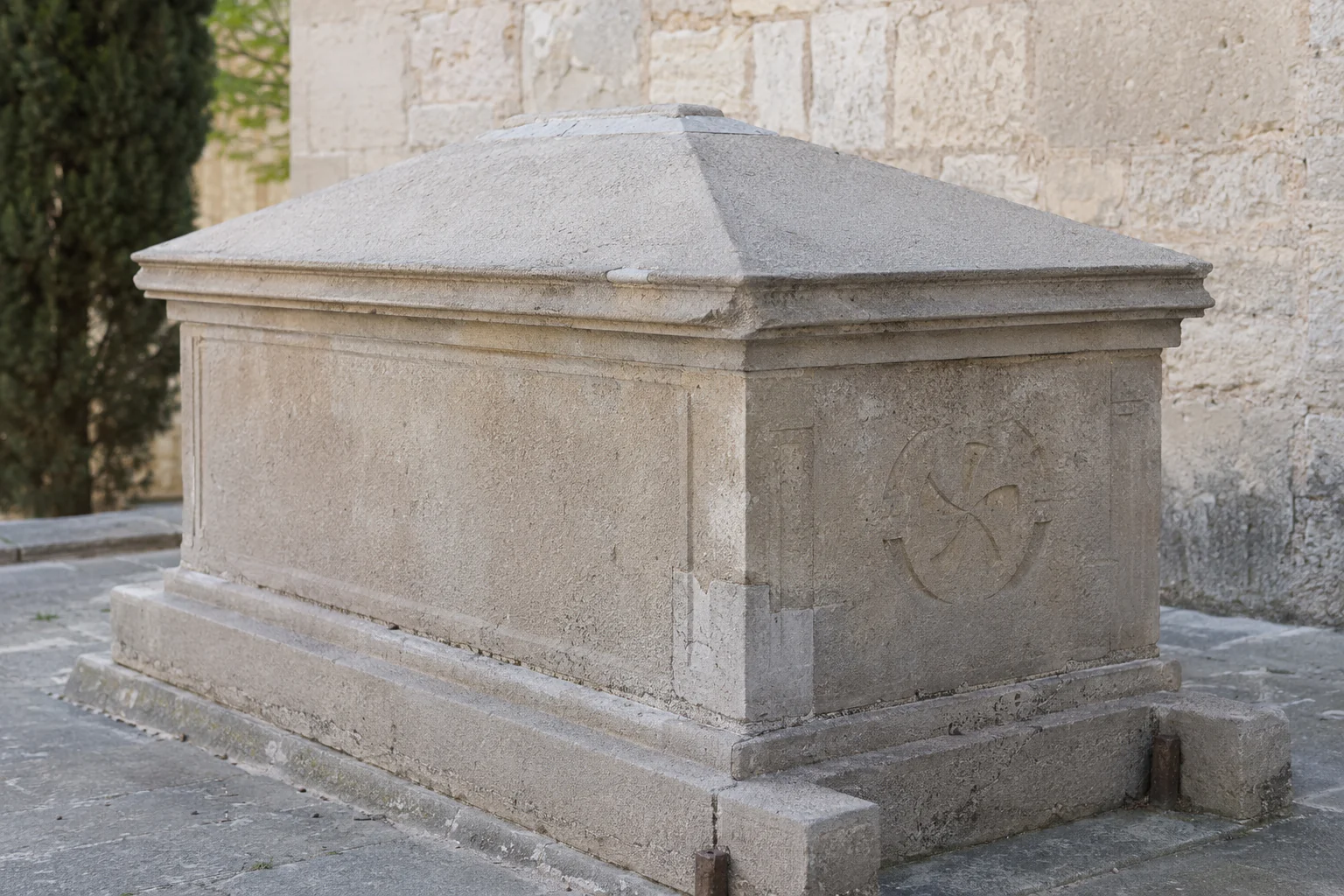
Historic value lies in original material, tool marks, patina, construction and evidence of change. Replacement can recover appearance but cannot recreate authenticity.
Begin with significance and condition, then intervene only as much as necessary for safety, performance and continued use.
Research and diagnosis
Combine archive drawings, photographs, quarry history, previous reports and on-site survey. Map stone types, construction phases, deterioration, moisture and movement.
A stain, crack or crust is a symptom. Identify mechanisms before selecting cleaning, consolidation or replacement.
Testing and minimum intervention
Start with the least aggressive method and use discreet test areas. Cleaning should reveal the material without erasing age or opening pores.
Consolidants, water repellents, mortars and resins require evidence of compatibility, penetration and long-term behaviour.
| Principle | Practical meaning |
|---|---|
| Minimum intervention | Retain sound fabric and avoid unnecessary removal |
| Compatibility | Match mechanical and moisture behaviour |
| Reversibility | Prefer work that can be removed without damage where possible |
| Legibility | Do not falsify the history of the object |
| Documentation | Record condition, tests, work and materials |
| Maintenance | Plan inspection and gentle preventive care |
Replacement and compatible materials
Replace only stone that is lost, unsafe or beyond conservation. Select by petrography, pore behaviour, strength, tooling and weathering as well as colour.
A harder or less permeable repair can transfer damage to adjacent historic stone. Mock-ups help judge both technical and visual compatibility.
An ethical project process
Conservators, architects, engineers, laboratories, quarry specialists and craftspeople should share evidence and responsibilities. Local heritage authorities may require approval before sampling or work.
Keep condition maps, photographs, samples, product data and as-built records. Future custodians need to understand what was changed and why.
Need advice for a real project?
Marble Import supports international homeowners, architects and interior designers with stone selection, samples, technical feasibility and coordination of high-end stonework in France and across Europe.