Have you seen a beautiful marble in a hotel where you stayed? Or perhaps you have just bought a property and would like to extend the beautiful marble flooring throughout the ground floor? But how can you identify that marble?
Identifying marble is not straightforward. The process relies heavily on its visual appearance, which is why genuine expertise is required. There are more than 10,000 different marbles worldwide. That variety is excellent when choosing a stone, but once you have made your choice, finding its name can be far more difficult.
Here are some of the key steps our experts use to identify the right stone.
Visual search · Marbre Import stock
Identify marble from a photo
Upload a clear photo of your stone. Our tool compares its colour and veining with the marble and natural stone currently available in our stock.
Start photo searchPhoto tip: photograph the surface straight on, in natural light, without reflections, and include a clear view of the veining.
What is marble?
The origin of marble
The word “marble” comes from the Greek “marmaros”. Its literal meaning is “shining stone” or “gleaming stone”, which helps explain its decorative use since Roman times.
Marble is a metamorphic rock composed of calcite crystals.
It formed from fragments of the hard parts of animals and plants that accumulated in successive layers on the seabed—the remains of some of the earliest living organisms on Earth.
Most marbles formed between the Precambrian era and the extinction of the dinosaurs at the end of the Mesozoic era.
We invite you to read our detailed article about the origin of this natural stone.
The history of marble
In Europe, marble working was developed by the Romans, who established the entire quarrying process.
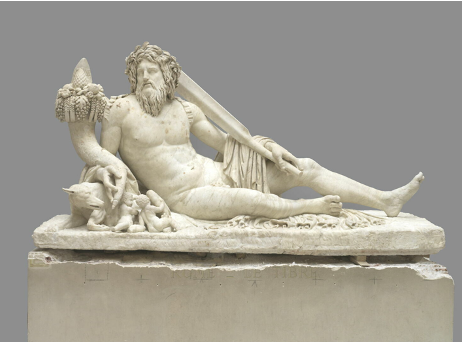
Since then, marble has held a prestigious place in every kind of architectural project and interior design, in Europe, Asia and the Americas.
Characteristics of different natural stones
Marble belongs to a large family of natural stones. It is therefore important to know how to distinguish marble from granite or from onyx.
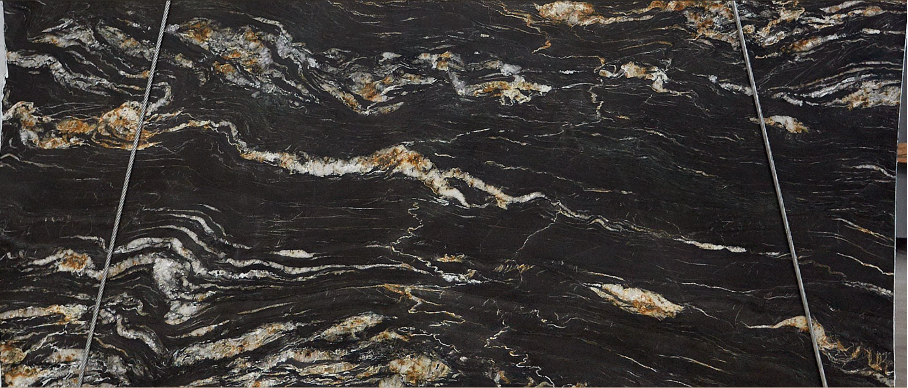
Marble is one of the natural stones with the best resistance to heat. It also helps to provide an even temperature with underfloor heating. Thanks to its hardness and strength, marble is highly valued for its durability in many applications, including floors, walls and furniture. Marble offers a wide range of colours and veining, including yellow, brown and black tones as well as golden highlights.
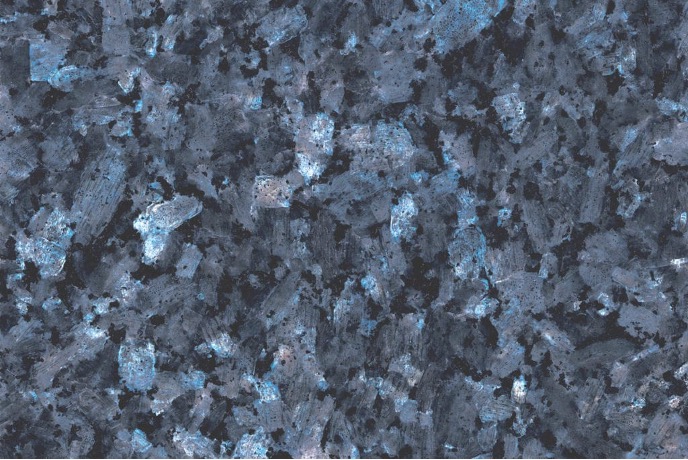
Granite is a very hard rock with a granular texture, with grains that are visible to the naked eye. It can be used indoors and outdoors and comes in a wide variety of colours, with or without veining. Unlike granite, not every marble is suitable for every application because resistance to weathering, frost and scratching varies from one marble to another.
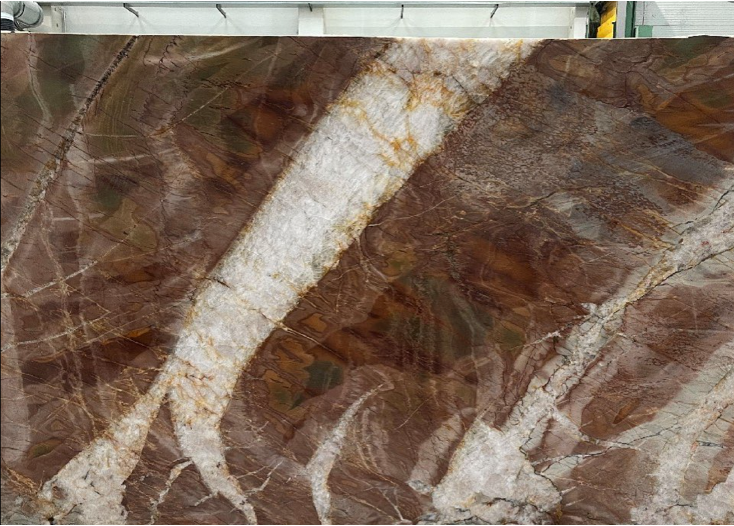
Quartzite is a highly durable rock composed of quartz crystals. It is available in a wide range of colours, often with subtle pale tones, and can be used indoors and outdoors. This natural stone resembles marble visually but is very low in porosity and resistant to scratching, making it an excellent choice for kitchen worktops.
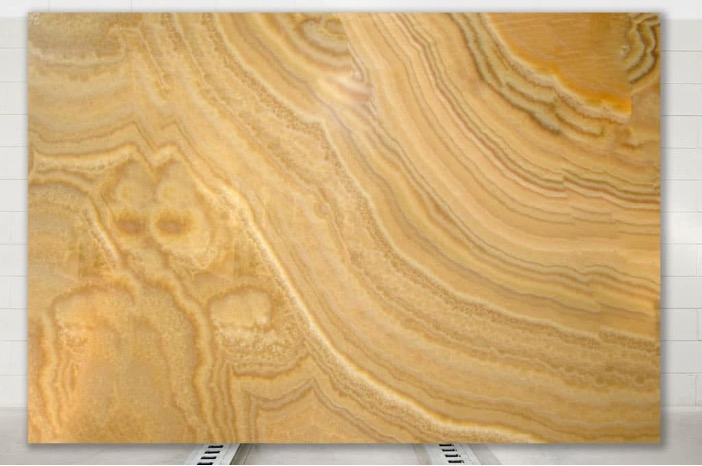
Onyx is generally translucent and features ribbon-like or circular bands. Its colours are especially striking when enhanced by a backlighting system. It is often used as a decorative feature because it adds a unique and elegant character to an interior.
Have you seen a marble you love and want to identify it?
Step 1 for identifying marble: its colour
The type of sedimentation within the stone gives marble its colour. These sediments originated during the earliest periods of life on Earth, long before the extinction of the dinosaurs.
The sediment contains some of the earliest traces of life on Earth. The organisms within it therefore vary according to geographical location.
This means that the geographical origin of a marble can first be approached through its colour, which reflects the sediments and organisms from which it formed.
Step 2: the veining of the marble
Veining is also shaped by variations in sedimentation, and especially by the movement of sediments as the marble formed.
Veins can therefore differ greatly from one mountain to another, and even within the same mountain over a distance of only a few metres.
Once the likely geographical area has been identified through colour, the veining helps to refine the identification and establish the stone’s origin more precisely.
The geological composition of marble
Geological composition also plays an essential role in identifying marble, but it is much harder to assess with the naked eye. This is why this stage requires genuine expertise.
A special case: replacing or extending existing marble in your home
Do you already have marble at home but need to replace one or more tiles? Or would you simply like to extend the existing marble into other rooms?
Identifying marble for an extension is particularly difficult because, as a natural stone, marble varies according to its extraction area.
Both the wider geographical area and the exact position of the block within the mountain must be identified precisely, because marble can vary greatly from one location to another. Carrara marbles, for example, come from the same mountain range, yet their colour and veining differ depending on the precise quarry location.
Marbre Import, a specialist in marble and natural stone, helps you identify natural stones in just a few clicks. Upload a photo of the stone and use our visual search to compare it with the options currently available in our stock.
Whether you need to replace or extend existing marble in your home or want to find a marble you particularly liked, expert guidance helps you achieve the closest possible match.